


Future Stadium Comfort
How Stadium Seating Design Shapes Fan Experience in Modern Venues
Stadiums are no longer just places to watch a match. They are experience-driven environments where every detail influences how spectators feel, engage, and return. Among all structural elements, stadium seating design plays one of the most decisive roles in shaping this experience.
Across Turkey and Europe, project developers are increasingly focusing on seating not only as a functional requirement but as a strategic investment. The right seating system can elevate the atmosphere of a venue, improve audience satisfaction, and even increase revenue potential.
Our company has observed that modern stadium projects are shifting toward user-centered design, where comfort, visibility, and organization are prioritized.
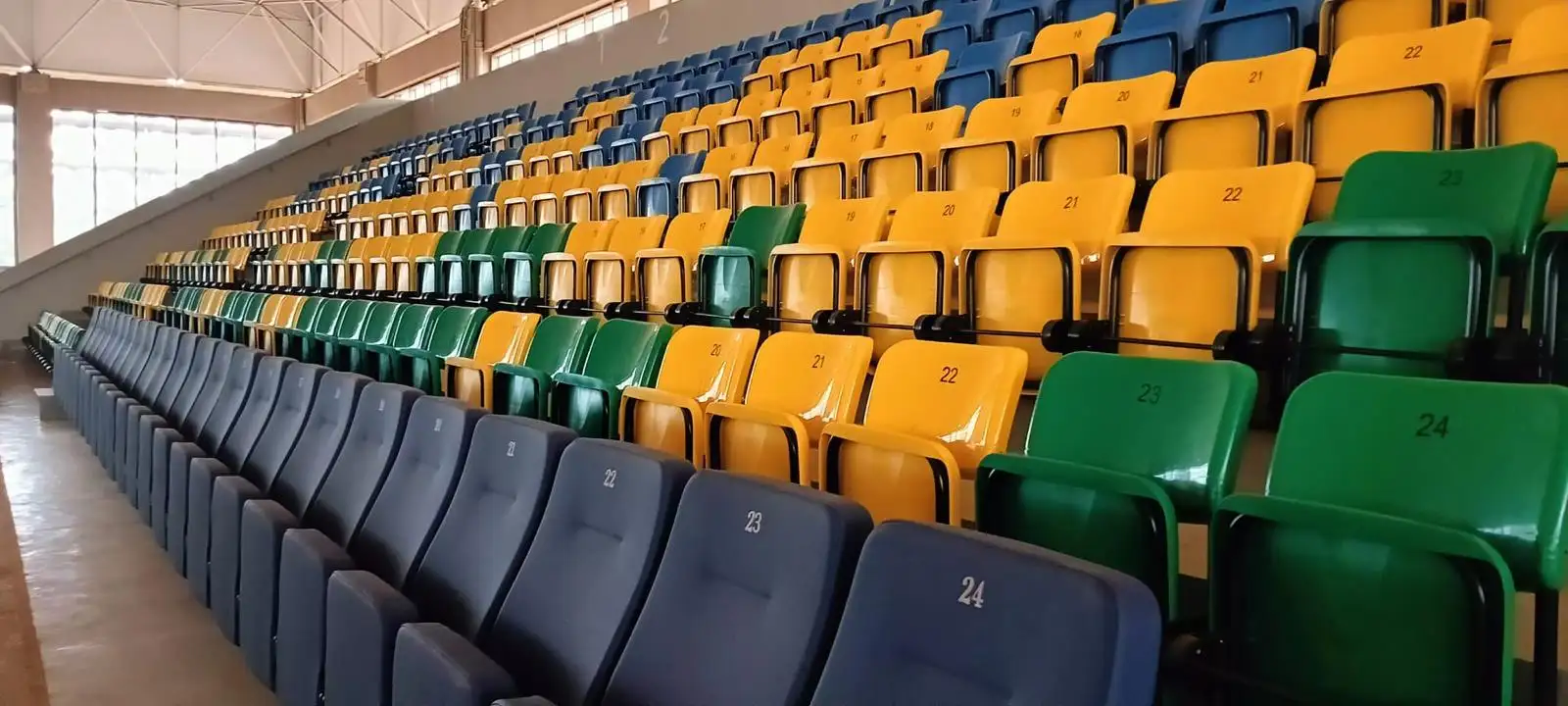
The Psychology Behind Seating Comfort
Comfort in stadium seating is often underestimated. However, it directly affects how long spectators remain engaged during an event.
A well-designed seat can:
- Reduce physical fatigue
- Improve posture during long matches
- Enhance overall satisfaction
When spectators feel comfortable, they are more likely to stay longer, return for future events, and recommend the venue to others.
This psychological impact makes seating design a key component in stadium planning.
Sightlines and Viewing Experience
One of the most critical aspects of stadium seating is ensuring clear visibility for every spectator.
Proper seating design considers:
- Row elevation and spacing
- Seat alignment
- Viewing angles
Even minor miscalculations can result in obstructed views, negatively affecting the audience experience.
Our company supports project planning by evaluating seating layouts to ensure optimal sightlines across the entire venue.
The Role of Seat Layout in Crowd Flow
Efficient crowd movement is essential in large venues. Seating design directly affects how people enter, exit, and move within the stadium.
Well-planned layouts provide:
- Clear walkways
- Reduced congestion
- Improved safety
Foldable seating systems, in particular, contribute to better circulation by automatically creating more space when not in use.
Material Choices and Their Impact
The materials used in stadium seating influence both comfort and durability.
For outdoor venues, UV-resistant plastics are essential to prevent fading and structural damage.
For premium areas, upholstered seating provides additional comfort and a more refined appearance.
Our company carefully selects materials based on project location, climate conditions, and usage intensity.
Balancing Capacity and Comfort
One of the biggest challenges in stadium design is balancing seating capacity with comfort.
Increasing the number of seats may seem beneficial, but overcrowded layouts can reduce spectator satisfaction.
Modern stadium projects aim to find the right balance by:
- Optimizing seat dimensions
- Maintaining adequate spacing
- Integrating different seating categories
This approach ensures both efficiency and comfort.
VIP Seating and Experience Zones
Premium seating areas have become a standard feature in modern stadiums.
These sections are designed to offer:
- Enhanced comfort
- Exclusive viewing experiences
- Higher revenue opportunities
Upholstered seats with armrests and additional features are commonly used in these areas.
In many projects across Turkey and the Middle East, VIP zones are one of the fastest-growing segments.
Climate Considerations in Seating Design
Stadium seating must adapt to environmental conditions.
In warmer regions:
- UV resistance is critical
- Materials must withstand high temperatures
In colder or humid climates:
- Resistance to moisture is essential
- Materials must maintain flexibility
Our company develops seating solutions that perform consistently across different climate conditions.
Maintenance and Long-Term Performance
A well-designed seating system should require minimal maintenance.
Low-maintenance seating provides:
- Reduced operational costs
- Longer product lifespan
- Consistent visual quality
Simple and durable designs are preferred over complex systems that may require frequent servicing.
The Future of Stadium Seating Design
Stadium seating continues to evolve alongside technological and architectural advancements.
Future trends include:
- Smart seating systems integrated with digital technologies
- Sustainable and recyclable materials
- Increased focus on ergonomics and user comfort
These innovations will redefine how spectators interact with stadium environments.
Conclusion
Stadium seating design is a critical factor in creating successful and modern venues. From comfort and visibility to safety and efficiency, every aspect of seating contributes to the overall experience.
By investing in well-planned and high-quality seating solutions, project developers can enhance both user satisfaction and long-term value.
Our company continues to support stadium projects by delivering seating systems that combine design, performance, and durability for modern sports environments.